From Quarry to Memorial: How Granite Becomes a Lasting Tribute
When families choose a memorial, they often focus on the design, color, and meaningful details that make it personal. But long before a monument is shaped, polished, and engraved, it begins deep within the earth.
Granite has a long journey before it becomes a lasting tribute. From the quarry to the final installation, every step takes precision, craftsmanship, and care.
In this article, we’re taking you behind the scenes to show how granite is sourced, shaped, and turned into a memorial that can last for generations.
What Is Granite?
Granite is a natural stone formed deep within the earth over millions of years. It is made up of minerals like quartz, feldspar, and mica, which give it strength, durability, and unique natural beauty.
Because granite is one of the hardest natural stones, it has become one of the most trusted materials for memorials and headstones.
Granite is known for:
• Long-lasting durability
• Resistance to weather and moisture
• Natural beauty and color variations
• The ability to be polished or custom-shaped
• Low maintenance over time
In Southeast Texas and Southwest Louisiana, granite is especially popular because it holds up well against heat, humidity, rain, and changing weather conditions.
How Granite Is Quarried
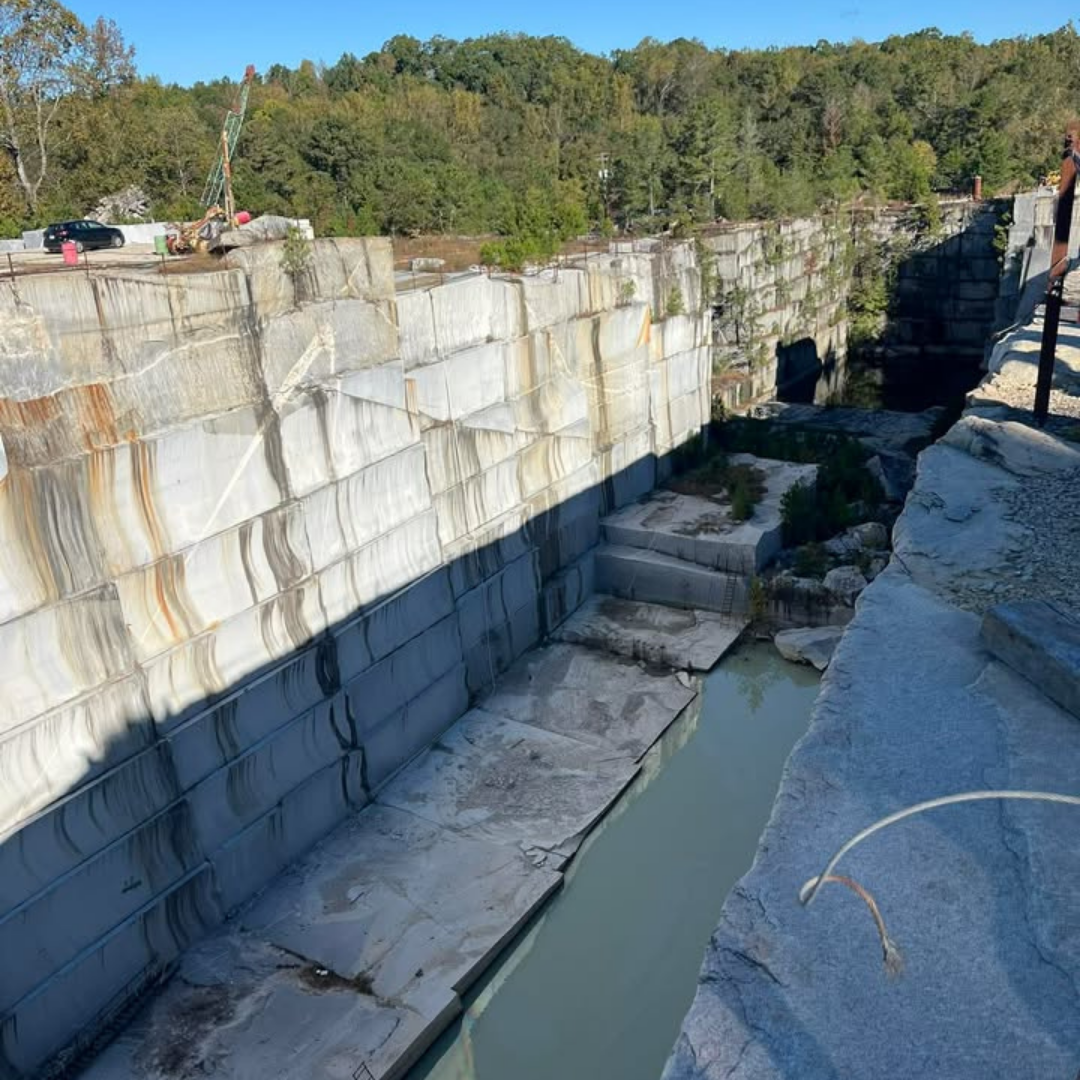
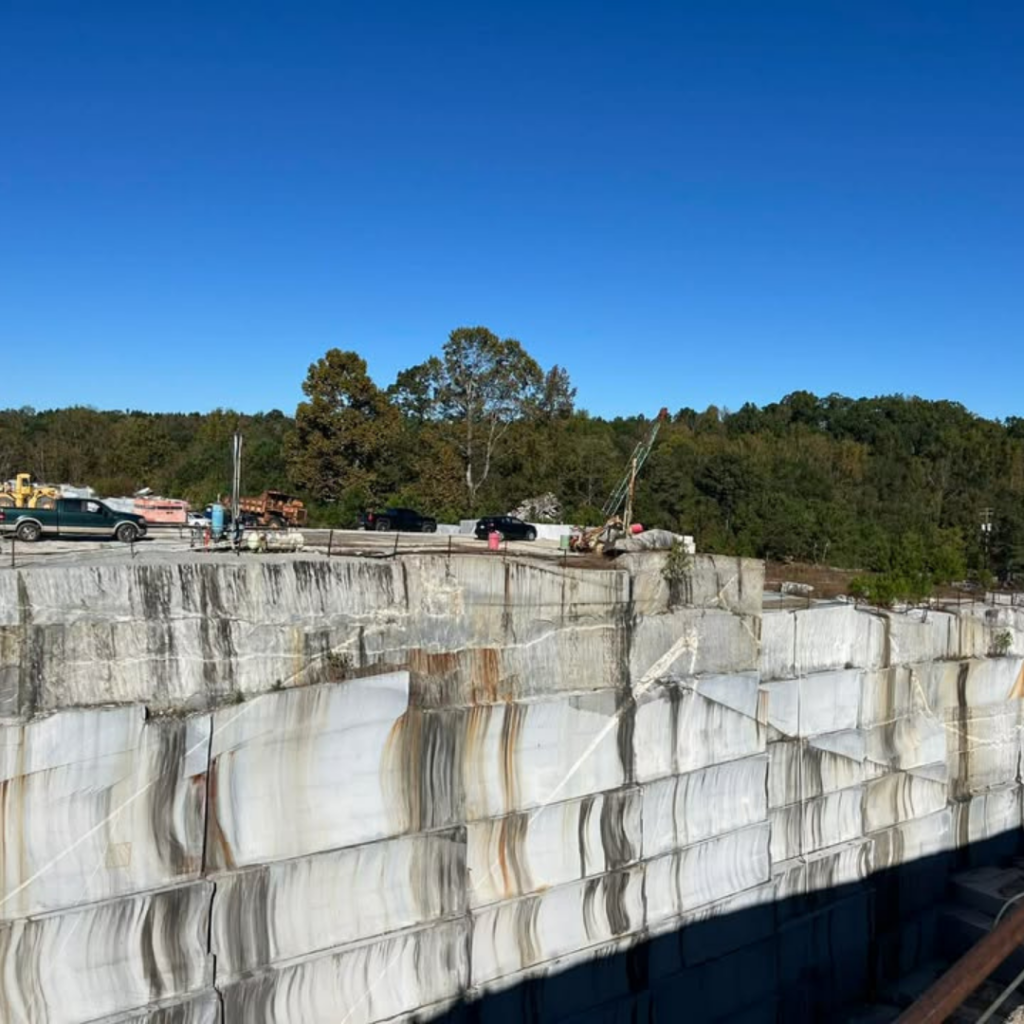
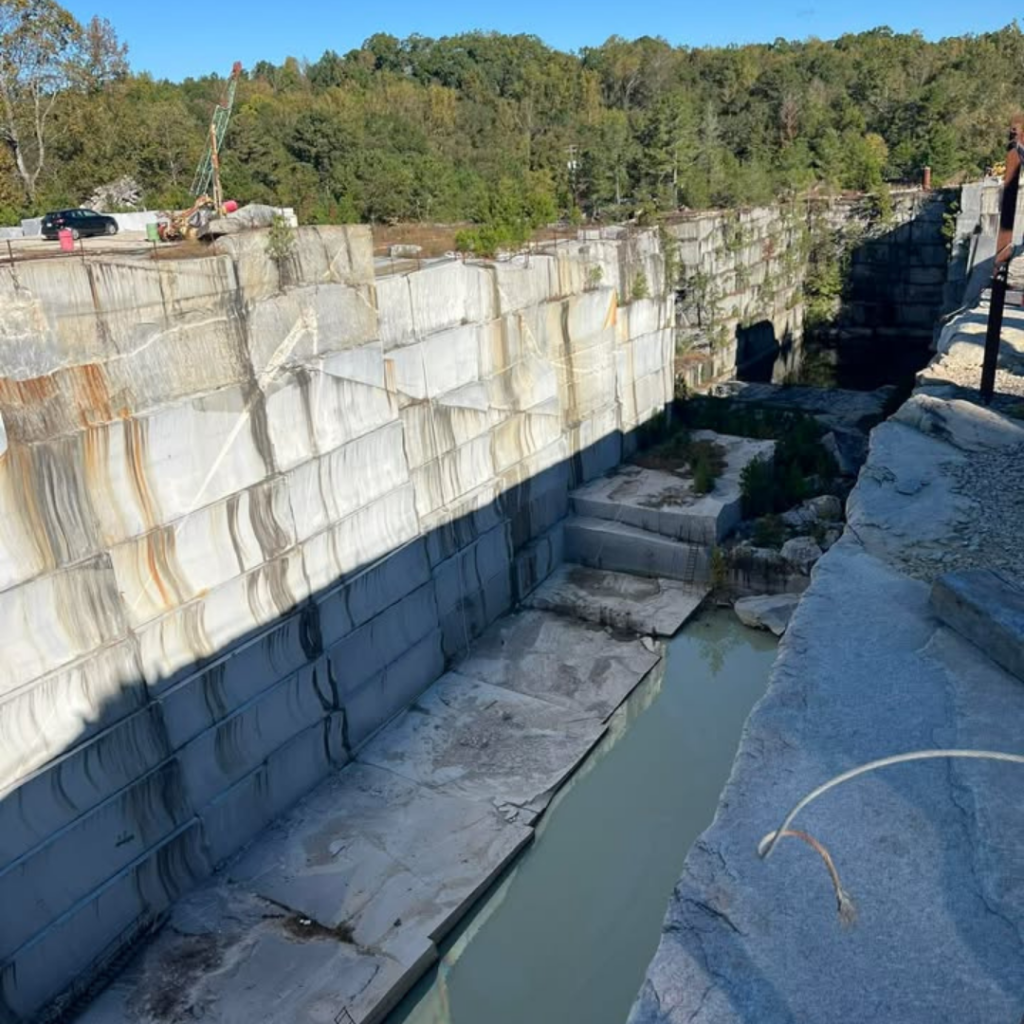
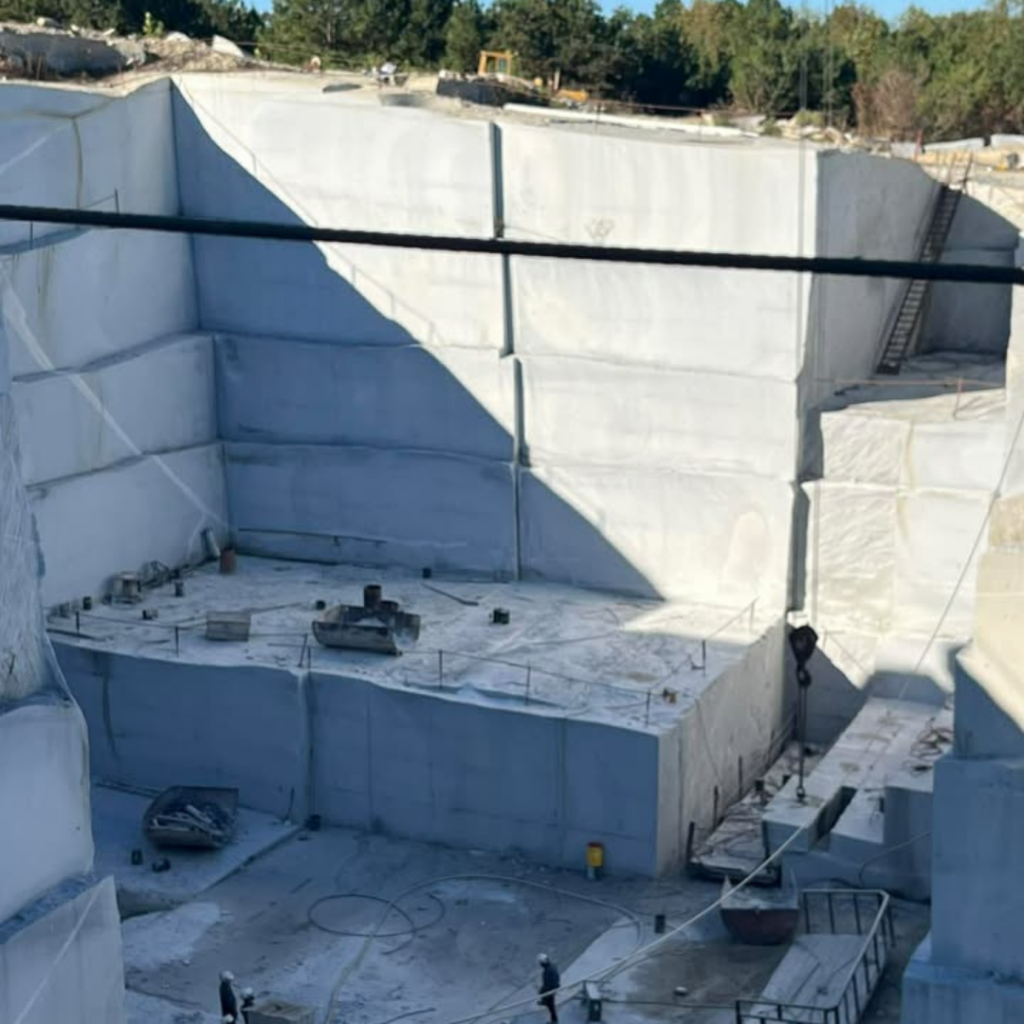
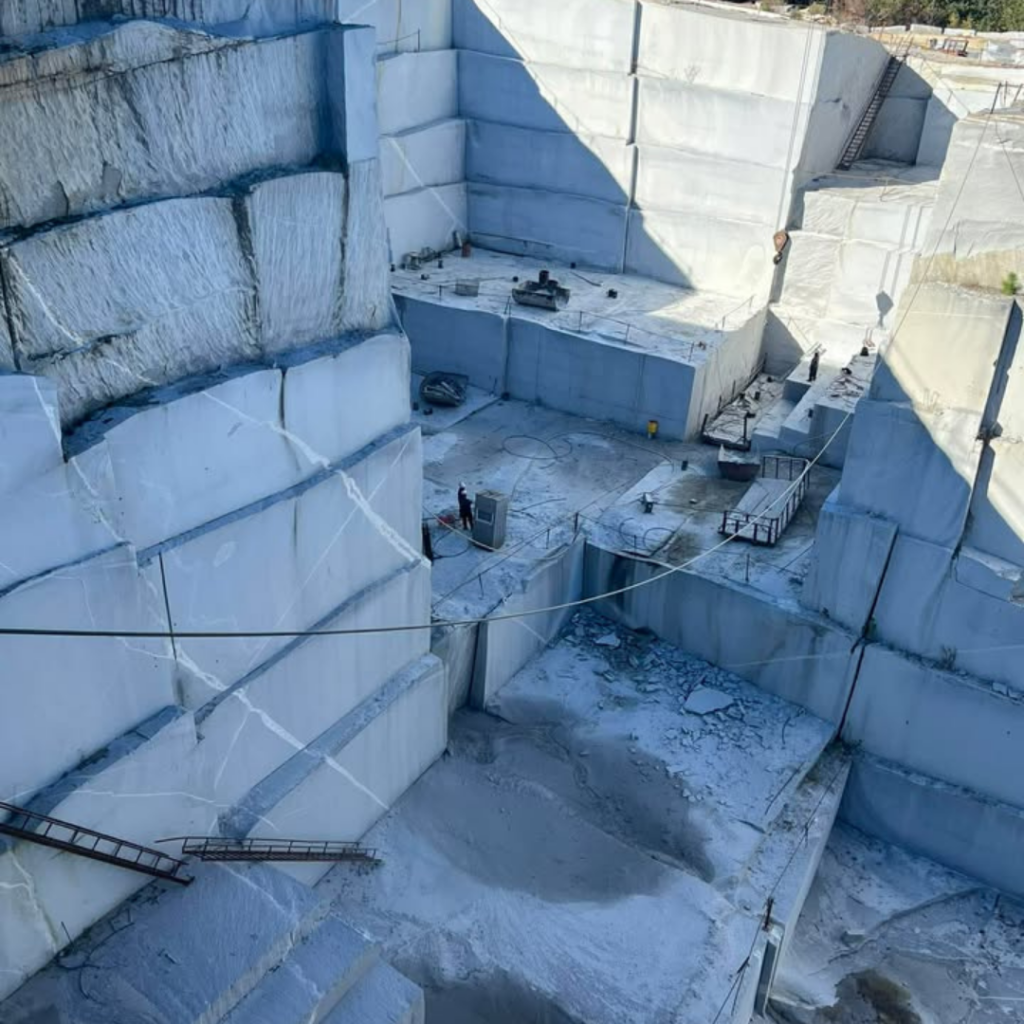
The journey begins at a granite quarry, where massive blocks of granite are carefully removed from the earth.
These blocks can be as large as 10 feet long, 5 feet wide, and 2 to 4 feet high, weighing more than 15 tons.
There are several methods used to remove granite from a quarry.
Jet Piercing or Flame Cutting
One common method uses a jet piercing machine that produces a flame reaching approximately 3,000 degrees Fahrenheit.
This high-velocity flame is created by burning oxygen and fuel oil and is directed at the granite. The intense heat causes the surface of the granite to flake away, creating a channel around large sections of stone.
This process helps separate the granite from the quarry bed.
Diamond Wire Saws
In some quarries, diamond wire saws are used.
A long steel cable embedded with industrial diamond segments is looped around the granite and used to cut through the stone with precision.
This method creates cleaner cuts and is often used for larger sections.
Drilling and Controlled Explosives
After the granite is cut or channeled, the section must be separated from the bottom.
Rows of holes may be drilled and loaded with carefully controlled explosives.
The explosives create a break that frees the large granite block from the quarry bed.
This process is highly controlled to minimize damage to the stone.
Transporting the Granite
Once the granite blocks are removed, they are transported to manufacturing facilities.
Because of their size and weight, specialized equipment such as cranes, forklifts, and heavy-duty trucks are used to move them safely.
From there, the raw granite is prepared for cutting and shaping.
Cutting and Shaping the Stone
At the manufacturing facility, the large granite blocks are cut into slabs of various sizes and thicknesses.
These slabs can then be shaped into many types of memorials, including:
• Upright headstones
• Flat grave markers
• Slant markers
• Memorial benches
• Mausoleums
• Custom business monuments
At Texas Monuments, many memorials can also be custom-cut into unique shapes and designs to reflect a loved one’s personality or legacy.
Polishing and Finishing
Once the stone is cut and shaped, it goes through a polishing process.
Polishing smooths the surface and brings out the granite’s natural color, detail, and shine.
Granite comes in many colors and patterns, including:
• Gray granite
• Black granite
• Red granite
• Blue granite
• Pink granite
• Specialty imported colors
The polished finish not only enhances the appearance of the memorial but also helps protect the surface over time.
Personalizing the Memorial
This is where the memorial becomes deeply personal.
After the granite is shaped and polished, it can be customized with names, dates, artwork, and meaningful details.
Popular personalization options include:
Sandblasting
Sandblasting uses high-pressure air and abrasive material to carve lettering and designs deeply into the granite.
This creates clean, long-lasting engravings that remain readable for years.
Laser Etching
Laser etching can create highly detailed images, portraits, and artwork on darker granite surfaces.
This allows families to add photographs, scenes, or intricate designs.
Custom Shapes and Designs
Granite can be cut into custom shapes such as hearts, crosses, angels, flowers, or fully custom designs.
Bronze Plaques and Photo Tiles
Bronze plaques and custom photo tiles can be added for an even more personalized touch.
Why Granite Is the Best Choice for Memorials
Granite continues to be one of the most popular materials for memorials because it offers both beauty and durability.
Benefits of granite memorials include:
• Long-lasting strength
• Resistance to fading and weather damage
• Low maintenance
• Timeless natural beauty
• Endless customization options
A granite memorial is designed to stand the test of time and honor a life for generations.
From Stone to Story
Every memorial starts as a raw piece of earth and is carefully crafted into something meaningful.
The process of quarrying, shaping, polishing, and engraving is part craftsmanship, part technology, and part art.
At Texas Monuments, we understand that every piece tells a story.
We’re honored to help families create custom granite memorials that preserve memories and celebrate lives.
If you are considering a custom granite memorial, our team is here to guide you through every step of the process.